







A tiny vitamin with an outsized role
Vitamin B12 is one of those things your body needs in tiny amounts but simply can't function well without. It's involved in how your body produces energy, how your nervous system works, and how you feel day to day.
And here's something rarely explained: some people get less B12 than they think, simply because of how they eat or the life stage they're in. It's nobody's fault — it's, once again, a question of information.
What is vitamin B12?
Vitamin B12 (also called cobalamin) is a B-group vitamin. It's found naturally mostly in animal-based foods: meat, fish, eggs and dairy. Plant sources contain almost none in a usable form, which is why people following a vegetarian or vegan diet tend to have a lower intake.
The body doesn't make it on its own and stores it only in limited amounts, so it's worth supplying it regularly through food or, when needed, through a supplement.
What vitamin B12 is for
Here are the contributions of vitamin B12 officially recognised by the European Food Safety Authority (EFSA) — in other words, what the European regulator accepts as established:
- Normal energy-yielding metabolism. Vitamin B12 contributes to normal energy-yielding metabolism — to how the body turns food into energy at the cellular level.
- Reduction of tiredness and fatigue. Vitamin B12 contributes to the reduction of tiredness and fatigue — that drag-yourself-through-the-day feeling so many people describe.
- Normal functioning of the nervous system. Vitamin B12 contributes to the normal functioning of the nervous system.
- Normal psychological function. Vitamin B12 contributes to normal psychological function — mental and emotional balance in everyday life.
- Normal red blood cell formation. Vitamin B12 contributes to normal red blood cell formation.
- Normal homocysteine metabolism. Vitamin B12 contributes to normal homocysteine metabolism.
- Normal function of the immune system. Vitamin B12 contributes to the normal function of the immune system.
- Process of cell division. Vitamin B12 has a role in the process of cell division.
These are solid, well-supported contributions. When you read flashier promises elsewhere, keep a level head: it's precisely these recognised functions that make the difference in how you feel.
Energy and everyday vitality: why you notice it
Picture your body as an engine. However good it is, without the right spark it won't start with force. Vitamin B12 is part of that ignition system: it plays a role in turning what you eat into usable energy and in keeping the nervous system doing its job.
So when we talk about B12 and energy, we're not talking about an artificial buzz, but about something more everyday: getting good use out of your fuel to take on the day. That's real vitality — the kind built from the ground up.
Who tends to get less B12?
This isn't about self-diagnosing — it's about knowing the terrain. In general terms, the following tend to have a lower intake of vitamin B12:
- People following a vegetarian or vegan diet, because the main sources are animal-based.
- Older adults, in whom the body's uptake of B12 from food tends to be lower.
- People who eat few animal-based products out of preference or habit.
If you recognise yourself in any of these groups, it's worth paying attention to your B12 intake — through food or, if needed, a good-quality supplement.
B12 within a metabolic approach
At NaturalSlim Europe we see the body as a living system that learns and adapts. Vitamin B12 fits naturally into that approach: it's part of the machinery that keeps energy-yielding metabolism working normally.
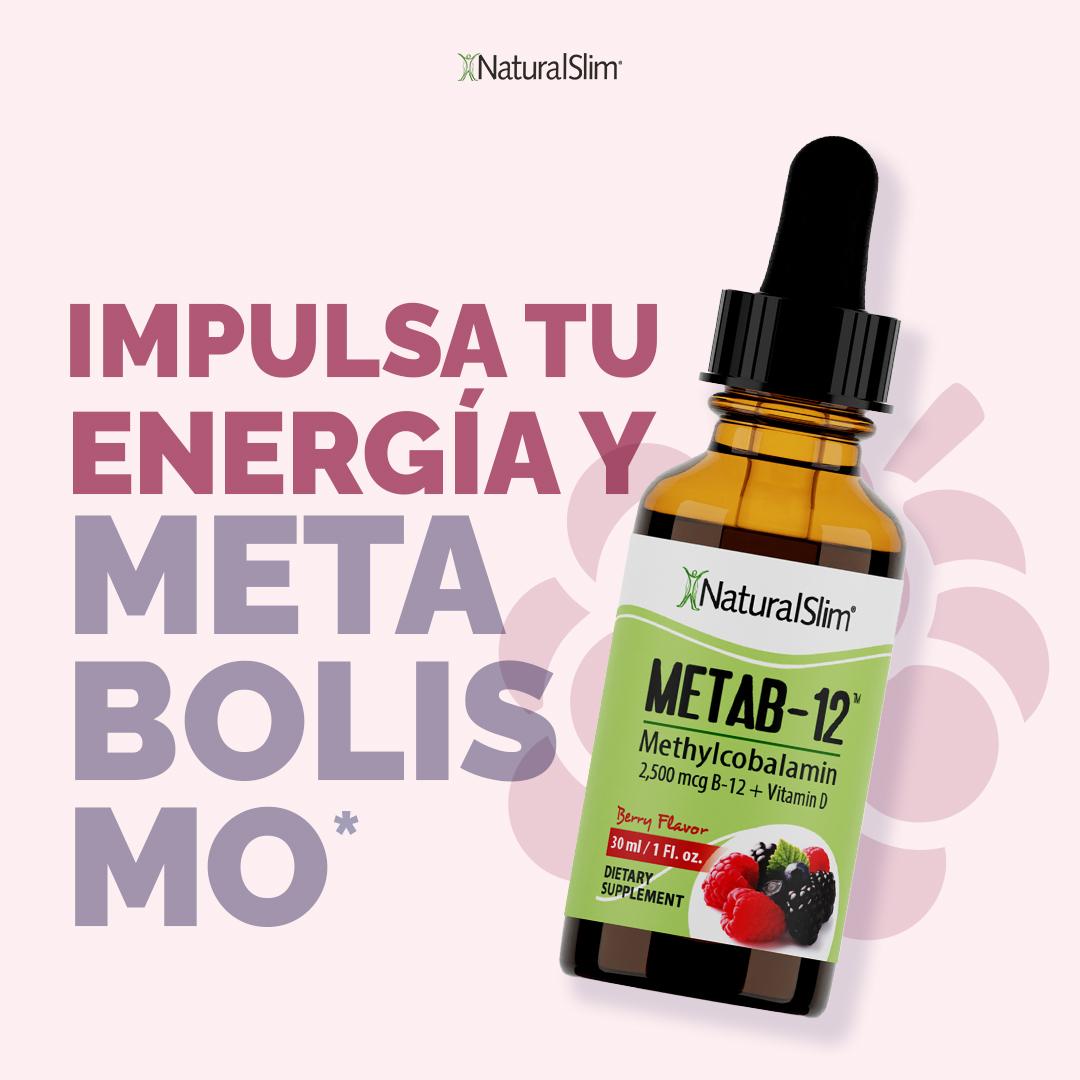
Our Metabolic Vitamins complex is a B-group vitamin complex that includes vitamin B12, designed to support your day with a contribution to normal energy-yielding metabolism and to the reduction of tiredness and fatigue. For anyone looking specifically for B12 in a sublingual format, there's also METAB-12® within the NaturalSlim system.
Take the first step — and you're not alone
Vitamin B12 isn't a trend or a miracle promise. It's an essential nutrient, with officially recognised benefits, that your body needs to produce energy, support the nervous system and form red blood cells normally.
If you'd like to understand how B12 fits into a wider approach for your metabolism, our team of Certified Metabolism Consultants™ at NaturalSlim Europe is here to guide you at no cost. Because the first step isn't to buy anything — it's to understand your body. Knowledge is power.


Share:
Why Classifying Your Foods Matters (the Dieta 3x1®)
Why Is My Hair Falling Out? A Look at Nutrition and Your Metabolism